
The Unseen Victims
Day of the DeadThis thread follows the novel’s insistence that people ignored by institutions and communities can remain vulnerable until someone chooses to notice and act.
increasing Bearing strength in each event
 decreasing
Bearing strength in each eventdecreasingRoseanne’s Silence
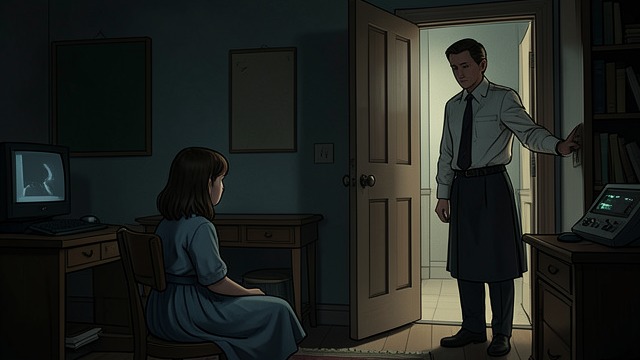
Silence as an Unanswered Injury
A child is frightened
Roseanne Orozco begins speaking less after a school principal forcibly carries her away from her sister and shuts her in a dark closet. She never resumes ordinary speech, yet her silence is treated as a defect to classify rather than a sign that something frightening happened to her.
Adults fail to listen
Her family seeks help from doctors and a medicine man, but no one discovers a cause that can restore her voice. Andrea later tells Brandon Walker that she suspected Roseanne had been harmed, but as a child she was not taken seriously.
Roseanne’s mutism becomes an early example of the book’s larger pattern: her behavior communicates distress, but the people with authority translate it into a problem that belongs to her. The missed chance to understand her vulnerability foreshadows the failures that surround her death.
A Case Left Cold
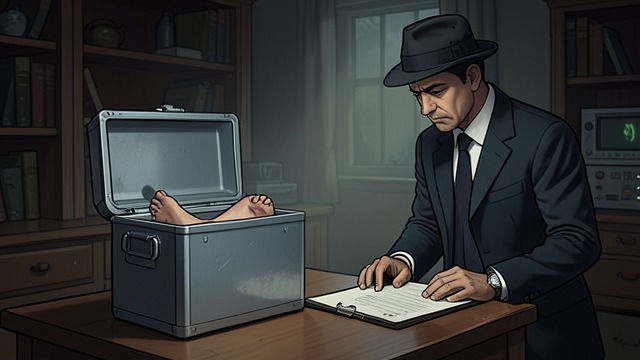
Neglect Becomes an Answer
Suspicion without resolution
After Roseanne Orozco is found dismembered in a cooler, investigators focus on Henry Orozco and on the identity of the unborn child’s father. When testing rules Henry out as the father, the investigation does not develop another persuasive lead.
Unequal urgency
The surviving case file is thin, and work soon stops. Brandon later recognizes how little investigative effort was devoted to a murdered Indigenous girl, reflecting an institutional hierarchy in which reservation homicides could be treated as low priority.
The case’s long dormancy is not simply a mystery about missing facts. It demonstrates how neglect can determine which deaths remain explainable and which families are left with suspicion, stigma, and no answer.
Emma Breaks the Silence
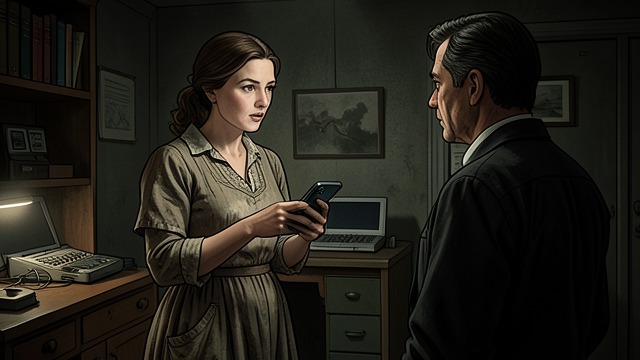
A Mother Reclaims the Question
Mourning kept private
Emma Orozco waited decades before asking for help. Her husband had urged the family to forget the past, and discussing Roseanne’s death remained painful; after his death, Emma decides that being her daughter’s mother means she must ask what happened.
From memory to investigation
She tells Brandon Walker that Roseanne was murdered and accepts his offer to bring the case to The Last Chance. Emma is not seeking a fee or an abstract exercise in detective work: she wants someone to take seriously a question her family and authorities left unresolved.
Her decision transforms grief from private endurance into a demand for attention. By speaking, Emma restores Roseanne to the present as a person whose life and death merit inquiry rather than a forgotten case number.
Andrea’s Ignored Warning
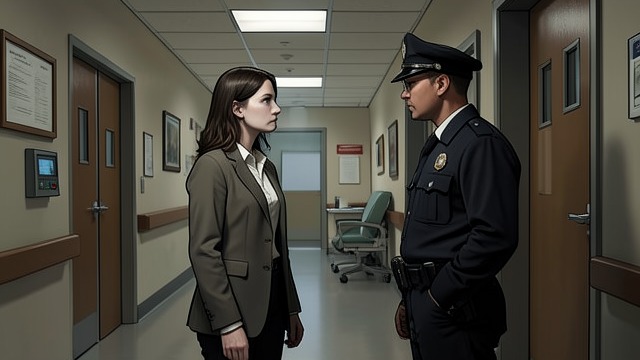
The Witness Who Was Dismissed
A sister’s memory
Andrea Tashquinth remembers that Roseanne left the hospital unexpectedly after treatment and was never seen by her family again. She had tried to raise concerns at the time, but investigators were already focused on Henry Orozco, and a sixteen-year-old’s account carried little weight.
A neglected possibility returns
In the renewed investigation, Andrea says she believes Roseanne may have been assaulted at the hospital. She cannot identify an assailant or offer direct proof, but her memory gives Brandon a concrete direction to pursue: Roseanne’s hospitalization and the missing medical records.
The book treats the old dismissal as both a personal wound and an investigative failure. Andrea’s recollection does not settle the case, but listening to it changes what the investigation is prepared to ask.
The Girls Nobody Sought
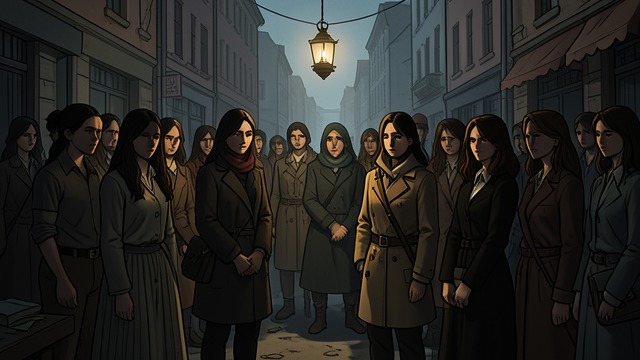
Counted at Last
A pattern of disappearance
The inquiry into the Vail killing uncovers comparable dismemberment cases scattered across counties and decades. Many victims remain unidentified, and Brian Fellows recognizes that some were vulnerable girls whose disappearance attracted no sustained attention.
Recognition without restoration
After the evidence links the Strykers to multiple murders, Lani tells Brian that Brandon and the investigators did care about the victims. Their work cannot return the girls to their families or give them trials, but it can break the silence around their deaths.
This thread broadens the novel beyond a single solved cold case. The central moral question becomes not only who killed the victims, but why so many people could disappear without anyone powerful enough insisting that they be found.
Years before her murder, during Roseanne’s first school experience
After Roseanne’s death in 1970
April 2002, when Emma first asks Brandon to reopen the case
During Brandon’s first interviews with Andrea in April 2002
Near the ending, after the Strykers’ crimes are uncovered
